Ga Samai
The traditional symbols of the Ga people. Each one is a small picture that stands for a proverb or a piece of wisdom.
What the symbols are
The name comes from sama, a design, symbol or mark. Samai is the plural, so Ga Samai means Ga symbols.2 Aryee describes them as pictograms that hold the traditions and culture of the Ga people.1
They are the nearest thing Ga has to its own way of writing, but they are not an alphabet. A letter stands for a sound. A symbol stands for a whole saying, so you cannot spell a word with them. They work more like the Adinkra symbols of the Akan, which you may already know from cloth and signs.3
Where they come from
Nobody knows when the symbols began. There are no early written records of them.1 Fisherfolk once painted them on their wooden canoes, and Dr Richard Afutu Kotei thinks those canoe paintings may hold clues to how the symbols grew.3 Aryee found that the canoe painting has mostly stopped.1
Some symbols came through contact with the Akan, and some are direct translations of Adinkra symbols. Tsuiŋ kpaŋmɔ (heart covenant) matches the Adinkra Akoma Ntoaso, and shade kpakpa (good omen) matches Mmusuyideɛ. The Adinkra Gye Nyame is now seen far more often than its Ga partner, Ja Nyɔŋmɔ.1
Aryee warns that many symbols may already be lost, and that traders often sell Ga designs mixed in with Adinkra ones without knowing the difference.1
The symbols of the Ga towns
The Ga state has one symbol of its own, and each of its seven coastal towns has another. These are the symbols Aryee recorded at the palaces.1
The maps show where each town lies along the coast. Their shapes follow today's district boundaries, cut to the coast, so their edges are only a guide. Map data © OpenStreetMap contributors.
-
The whole Ga state
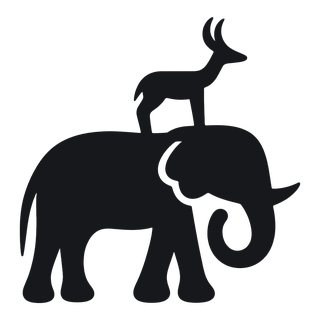
Ga state Samai 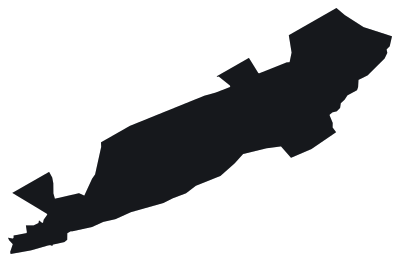
The Ga coast Adowa ni damɔ shwuɔ nɔ
Shows a deer standing on an elephant.
Saying
Jwɛŋmɔ mli kwɔlɛ: “wisdom”
The Ga state is small beside its neighbors, yet the small deer stands on the giant elephant.
-
Ga Mashie

Town Samai 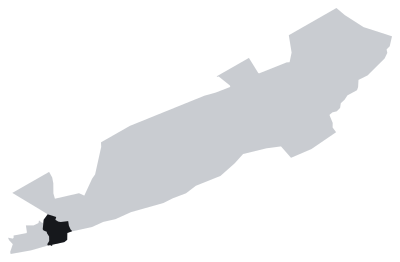
Ga Mashie within the Ga state Wao gɔŋti ni miitsɔɔ ŋwɛi
Shows a thumb pointing to the sky.
Saying
Nyɔŋmɔ pɛ gbeyei wɔsheɔ: “we fear only God”
Many of the old Ga warriors came from Ga Mashie, among them Nii Ayi Kushi.
-
Osu
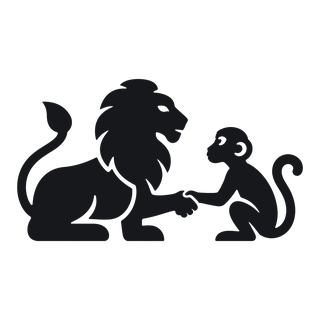
Town Samai 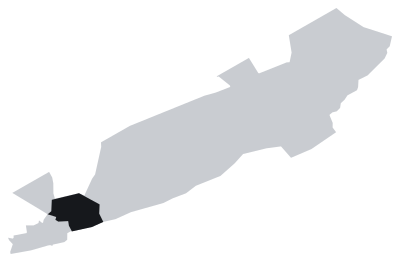
Osu within the Ga state Jata kɛ Akpɔsɔ
Shows a lion shaking hands with a monkey.
Saying
Suɔmɔ kɛ ekomefeemɔ: “love and friendship”
A lion would normally eat a monkey. Here they are friends, as the four divisions of Osu should be.
-
La
Town Samai 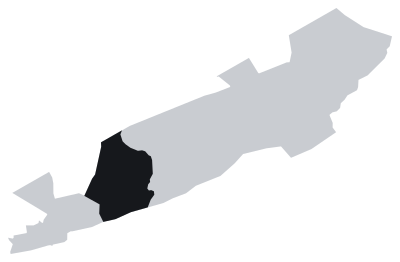
La within the Ga state Wuɔnuu
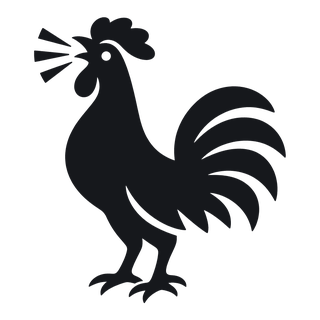
Shows a cockerel.
Saying
Wuɔ gbɛɛ, La gbɛɛ: “when the cockerel crows, La is ready”
La people see themselves as the ones who led the Ga on their migration, always ready like the cock that wakes the town.
-
Teshie
Town Samai 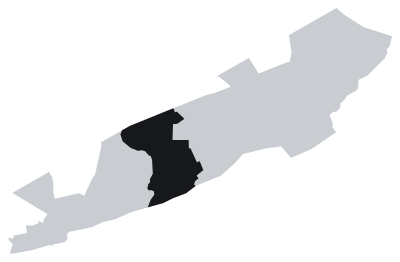
Teshie within the Ga state Too Ojwɛni
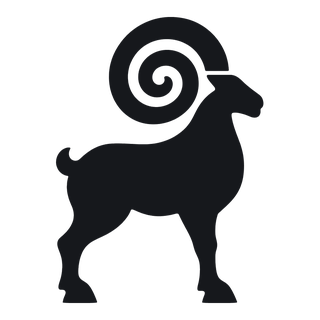
Shows a ram with coiled horns.
Saying
Hewalɛ: “strength”
A ram does not run from a fight, even with broken horns.
-
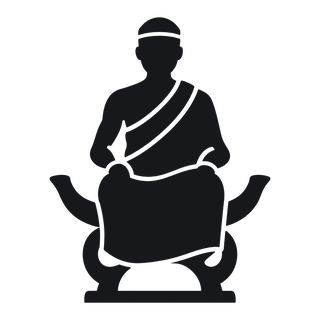
Nungua
Town Samai 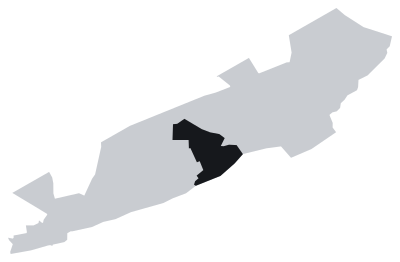
Nungua within the Ga state Maŋtsɛsɛi ni maŋtsɛ ta nɔ
Shows a royal stool with a chief sitting on it.
Saying
Wɔkɛ wɔmaŋtsɛ ba: “we came with our king”
This is the older Nungua symbol. Aryee found that the Nungua stool now uses the deer on the elephant, the symbol of the whole Ga state.
-
Tema

Town Samai 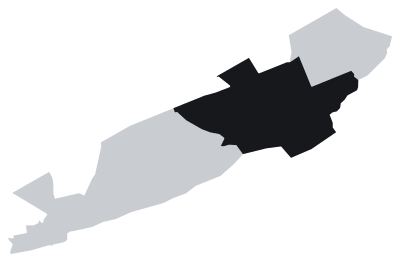
Tema within the Ga state Waobii enumɔ ni adɔrɔ
Shows bent fingers.
Saying
Kɛji wɔmɔ bo lɛ, wɔŋmɛɛɛ ohe: “when we get hold of you, you cannot escape”
Fingers bend to hold something tight. Oral history says no Ga town tried to make war on Tema.
-
Kpone
Town Samai 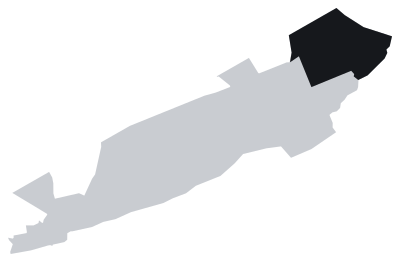
Kpone within the Ga state Waobii ni hiɛ wɔlɔ
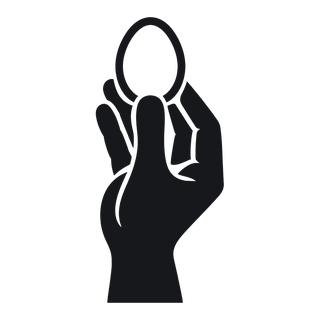
Shows fingers holding an egg.
Saying
Hiɛmɔ lɛ jogbaŋŋ: “hold it with care”
Royalty is like an egg. If it falls and breaks, that is the end of it.
The quarters of Ga Mashie
Ga Mashie, the old town of Accra, is made up of seven quarters, each with its own chief (mantsɛ).5 Aryee found that the quarters and their families have symbols of their own, alongside the symbols of the towns, but these have not yet been written down.1
- Asere. By the Asere stool's account, the enstoolment of a Ga Mantsɛ is complete only with a rite performed by the Asere Mantsɛ.6
- Gbese, the Adonten, the military head of the Ga state. The Gbese Mantsɛ opens Ga Mashie's Homowo by sprinkling the first kpokpoi.4
- Abola
- Sempe
- Otublohum
- Akumadjay
- Ngleshie Alata, around James Town
If you know the symbol of a quarter or of your family, tell us, so it can be recorded here.
Before Ga Mashie: Ayawaso
Before the Ga settled on the coast, their capital was Ayawaso, also called Great Accra, on the plains inland, near today's Pokuase. Akwamu forces destroyed it around 1677 to 1680, at the end of the reign of Okai Koi, and the Ga then built Ga Mashie by the sea.7 No symbol of Ayawaso is known today.
Symbols and their proverbs
Many more symbols carry a proverb that anyone can use. Most of the explanations here come from Aryee;1 others come from a chart of Ga Samai shared among Ga people. Some symbols still need a fuller explanation. If you know a symbol by another name or meaning, tell us.
-
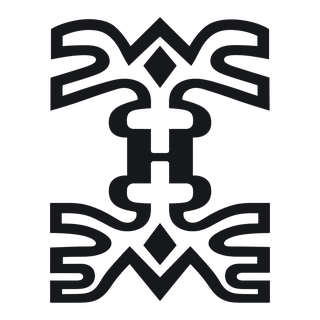
Abiii wo ni ahe nu
nobody asks for honey and is given water
“a grateful attitude shapes your life”
-
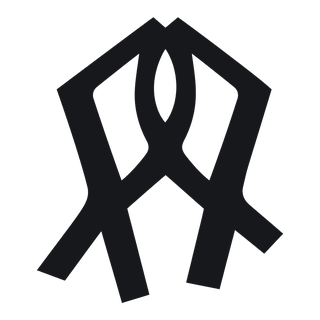
Abobonua
woodpecker
Fuufeemɔ: “pride and boasting, which a person should avoid”
-
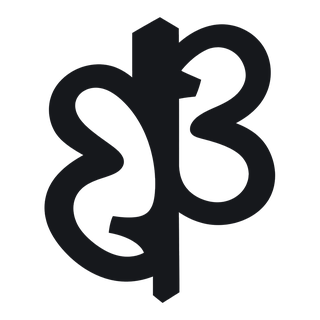
Abui
a needle
Akɛ mlifu mɔɔɔ saji anaa: “do not use anger to settle a matter”
-
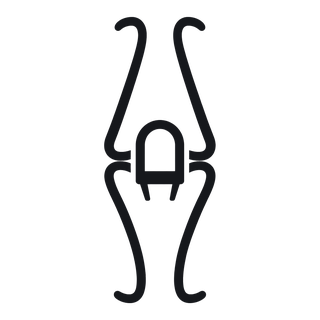
Adowa fai
the deer’s hat
Nilee ni akɛkuraa maŋ: “the cunning and wisdom of the king”
-

Akpa
a trap
Akaseɔ nii kɛjɛɔ niashikpamɔ mli: “experience teaches us to do things well”
-
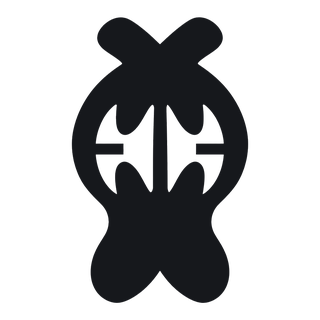
Akpakpa
pawpaw held by two hands
“we are strong when united and weak when divided, so handle with care”
-
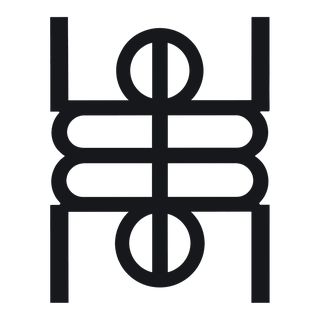
Akpokpolonto
tortoise
Tsuishitoo ji kunimyeli: “patience is victory”
-

Alagba tɛ
a useless stone
Mɔ fɛɛ mɔ he yɛ sɛɛnamɔ: “no one in this world is useless”
-
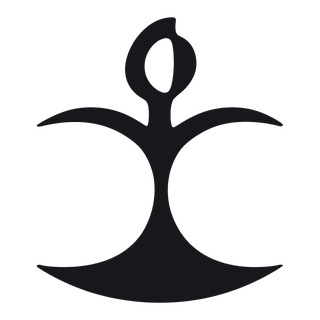
Alakaaa Nyɔŋmɔ
God cannot be fooled
Mɔ ni susuɔ akɛ eelaka Nyɔŋmɔ lɛ, lɛ diɛŋtsɛ ehe elakaa: “whoever thinks they are fooling God is fooling only themselves”
-
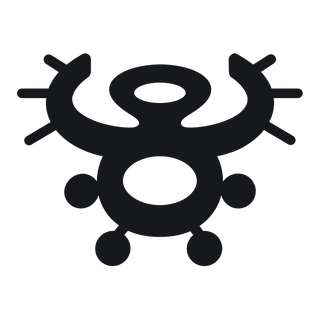
Alamai
“the wilderness is not the playground of the seashore crab”
keeping your place
-
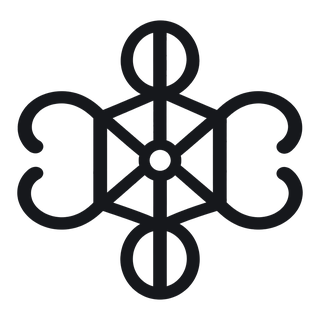
Aleee ahaamɔ
“no one can do another person’s thinking for them”
enquiry
-
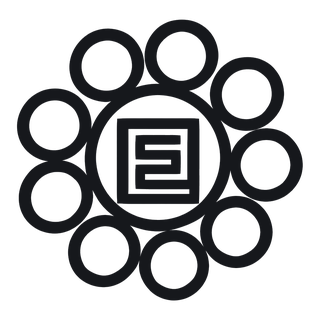
Aleee Nyɔŋmɔ jwɛŋmɔ
“God’s mind cannot be unravelled”
God is beyond knowing
-
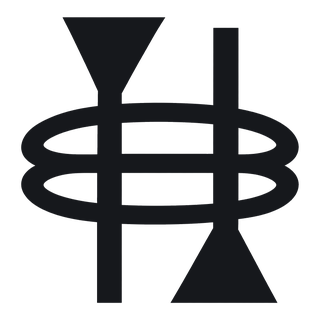
Amaa a mɔ tu
“a gun may be borrowed to hunt”
working together
-
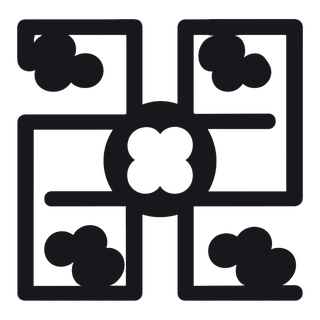
Ameo
“the ripe tomato made the darkness of the black berry plain to see”
genuineness
-
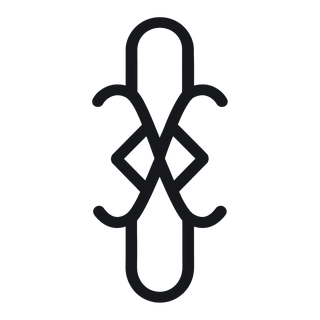
Amɔɔ nine
“no one beats their chest with another person’s hand”
boldness
-
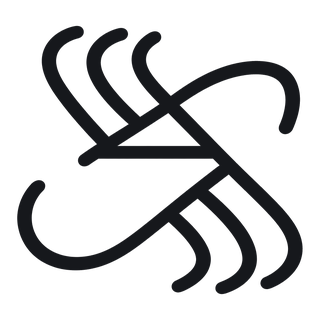
Anɔkwa sheee gbeyei
“the truth fears nothing”
honesty
-
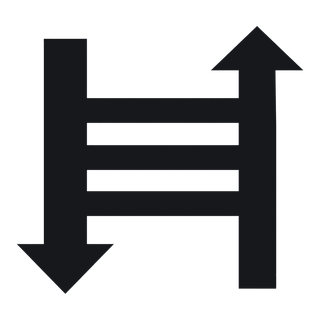
Aŋtwere
ladder
“the people you meet on your way up are the people you meet on your way down”
-
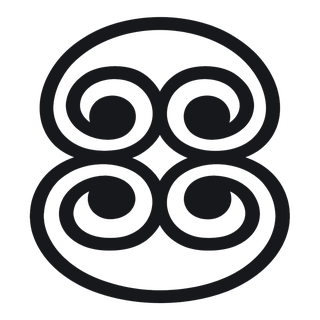
Apaawa
gramophone record
“life is like a record: it has two sides”
resilience
-
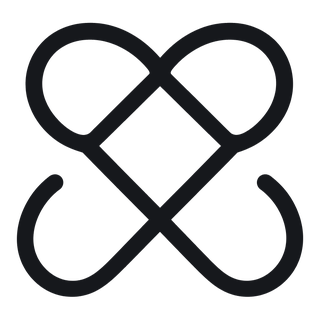
Apasa tsu
“the roof of a liar’s house is not burned, it is torn down”
exposure
-
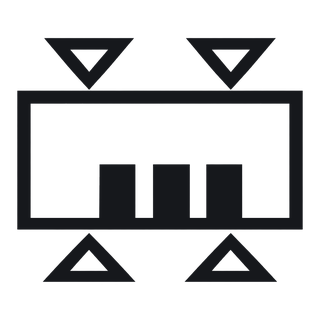
Arooo
“a town thrives by means of the mammy truck”
development
-
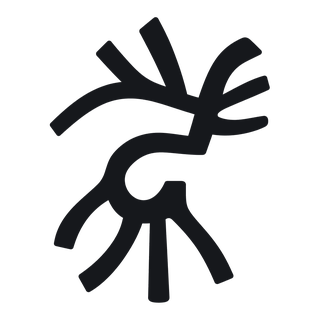
Asamaŋkama
a thorny plant
Ofite osaa: “the thing that harms can also heal”
-
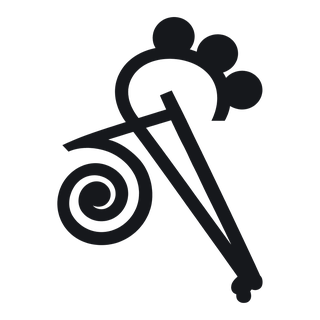
Ashinao
beads
“a string of beads does not break or get lost before the elders”
justice
-
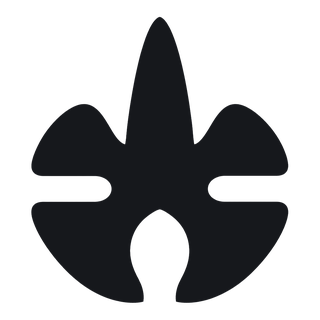
Aspaatere
a pair of sandals
Mɔ fɛɛ mɔ kɛ enaagba: “everyone has their own troubles”
-
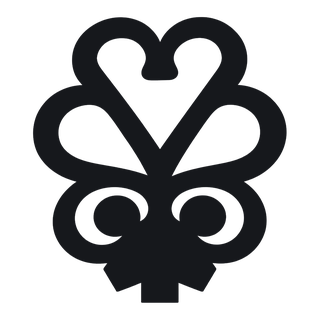
Asrafoi
soldiers
“there are no incompetent soldiers, only incompetent captains”
leadership
-
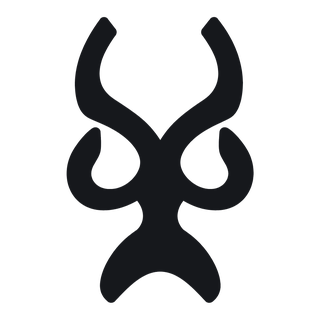
Atoobi
“the bird Atoo has its own range of flight”
judging on merit
-
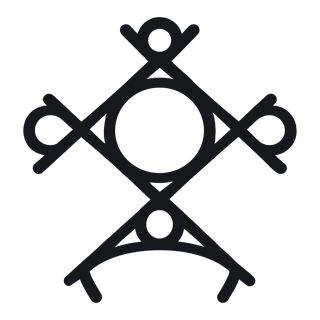
Atsiki oye
“Atsiki is strong”
expertise
-
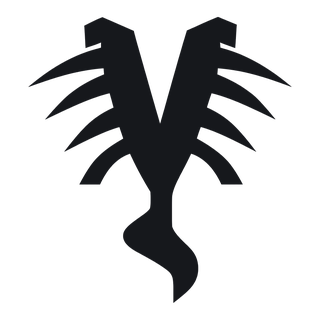
Atswa
a scar
Hiɛtɛlɔ naa efɔŋ ni etsiɔ ehe: “prevention is better than cure”
-
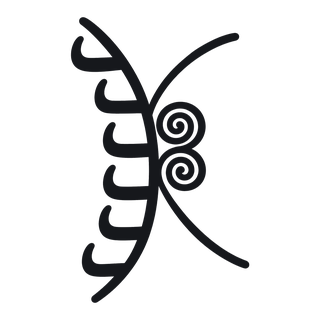
Awale tɛ
the awale seed
“the awale seed says it will live among thorns for the sake of the future”
security
-
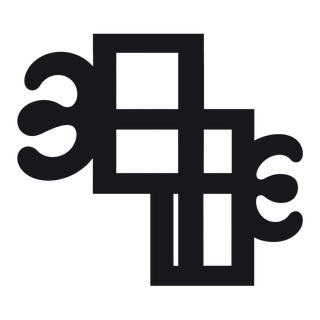
Awɛŋ bɛ ŋmɔ
a lazy person has no farm
Kɛji otsuuu oyeee: “no food for the lazy”
-
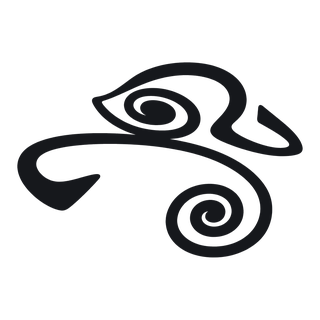
Hiŋmɛi sɛɛ
eyebrow
“nuts cannot be cracked on someone’s eyebrow”
covetousness
-

Ja Nyɔŋmɔ
except God
Mɔ ko mɔ ko bɛ ja Nyɔŋmɔ: “there is nobody except God”
-

Maŋ ko ta maŋ ko nɔ
one town sits on another town
Nɔyaa: “moving forward in life by learning from others”
-
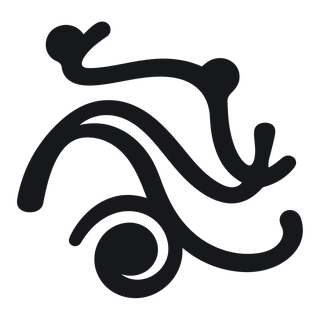
Nshɔ woo ŋlɛ woo
sea and waves
“if the sea is not calm, the waves cannot rest”
restlessness
-
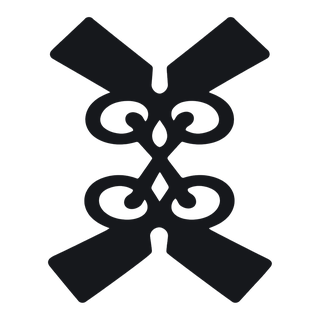
Nyɔŋmɔ jeee kanto tsɛ
“God does not tolerate injustice”
justice
-
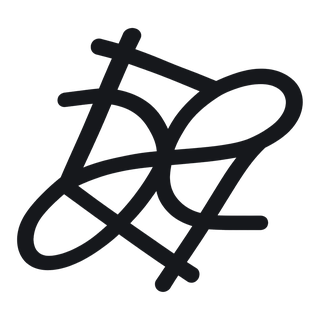
Nyɔŋmɔ kɔɔyɔɔ
“if you want to send a message to God, speak to the wind”
arbitration
-
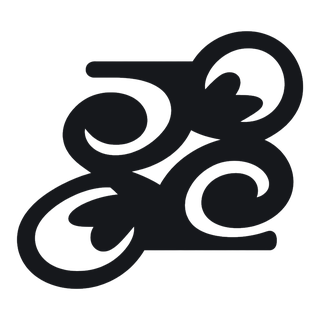
Nyɔŋmɔ tɛ
God’s stone
“when God picks up a stone, he does not rush to throw it”
forbearance
-
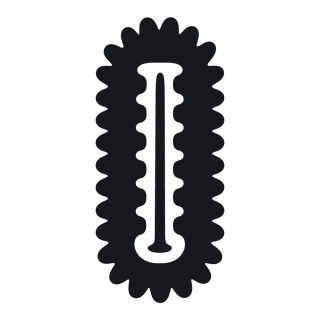
Ŋmaa
corn
“the corn has fallen into the maize farm”
support
-
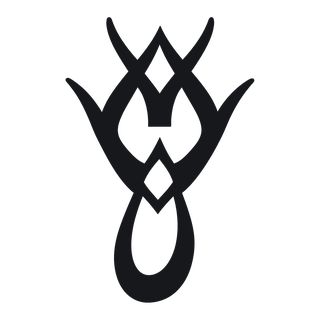
Ŋmɛ
oil palm
“God’s eyes are with the palm tree”
care and resilience
-
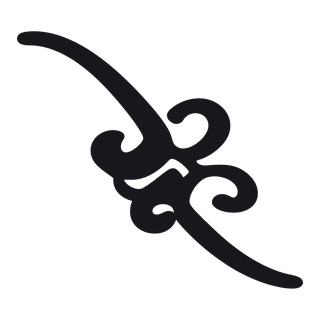
Ŋrami
“when day breaks the stars go nowhere, but the one who made them has outshone them”
accountability
-
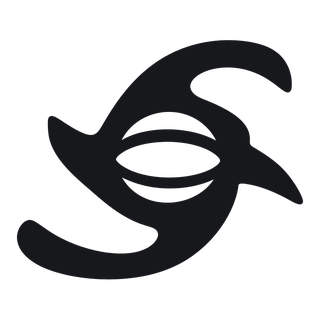
Ŋwɛi kɛ shikpɔŋ
heaven and earth
“if you speak with respect to the heavens, do the same to the earth”
fairness
-
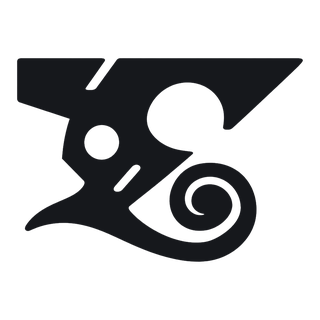
Obla kpaa
“fashion is not what makes a person”
not being ashamed
-
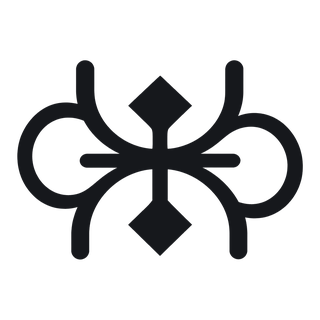
Odarklɔ
lizard
“the lizard says it will not die by the machete”
caution
-
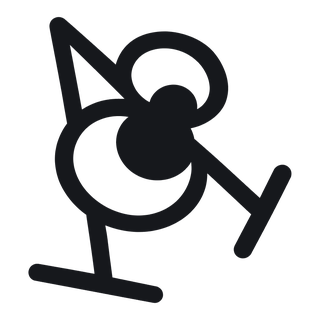
Ofɔi
tsetse fly
“there is a tsetse fly perching on the broom”
confidentiality
-
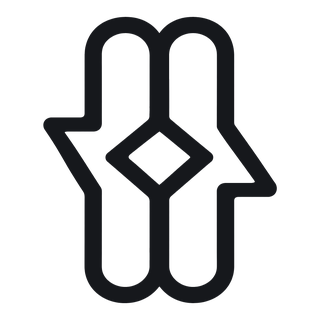
Ohiafo
the poor one
“the poor should not be despised”
empathy
-
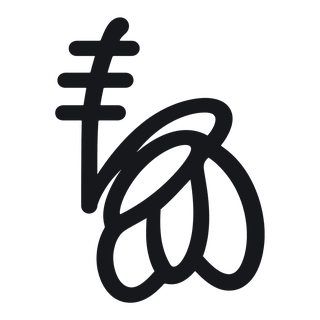
Ohiafo blɛ
the poor one’s flute
“the flute of the poor is faint”
discrimination
-
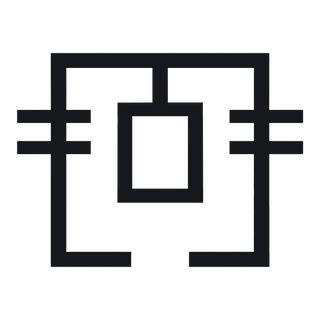
Ohia woo mla
“poverty does not set rules”
flexibility
-
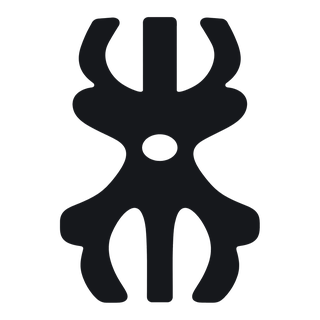
Oklopon
eagle
“while the eagle claims the sky, the leopard eyes the raffia barn”
innovation
-
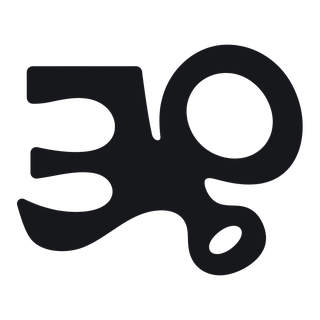
Okpolu
bowl
“the way you hold your bowl decides how much maize you get”
diligence
-
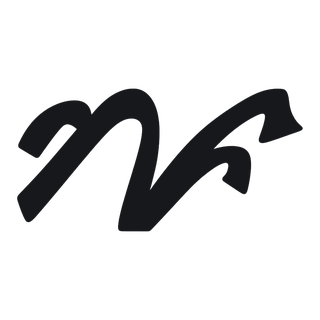
Okpɔŋɔ
horse
“if the horse is mad, what of its owner?”
two should not both act foolishly
-
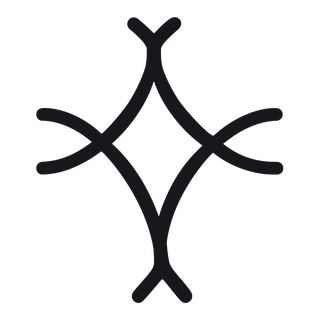
Onufu
snake
“the snake says if length were worth anything, it would boast of its own”
choosing what suits
-
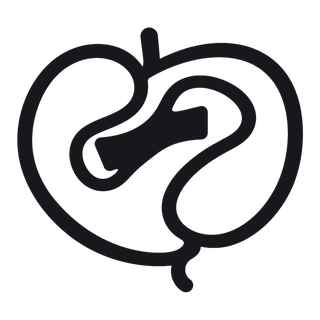
Onu obi
“when you hear, ask”
not harbouring resentment
New symbols today
Dr Richard Afutu Kotei, a son of Amon Kotei who designed Ghana’s coat of arms, is adding to the tradition. He has published two books with more than 200 symbols, old and new.2 He calls the symbols “Ga wisdom statements presented as lively or dynamic symbols”.3
One of his designs is a circle meaning “we are unbreakable when united”. It comes from the elders of La, his hometown, who stand in a circle to pray before Homowo.2
About the drawings
We redrew each symbol for this page from the forms Aryee recorded at the palaces and in collections.1 Some of those records are gold 3D renderings or photographs, so our flat drawings simplify them. If you know a symbol is drawn differently in your town, tell us.
Sources
- Aryee, S. (2023). Semiotic study of Ga traditional symbols in some selected palaces. MPhil (Ga) thesis, University of Education, Winneba.
- “Ga Samai.” BusinessGhana, on Dr Richard Afutu Kotei’s lecture at the Institute of African Studies.
- Quansah, H. N. (2025, August 14). Dr Richard Kotei revives Ga symbolism with new ‘Samai’ designs. The Mirror, Graphic Online.
- “Homowo: Gbese Mantse sprinkles first ‘kpokpoi’.” Ghana News Agency, August 2022.
- “Gbese Mantse and Adontehene of Ga State.” The B&FT Online.
- “Asere Stool of Ga State denies sending any accredited representative.” Modern Ghana.
- “Ayawaso and the Ga Dangme world: urban power and coastal connection.” ghanaculture.gov.gh.
Drawings of some symbols are also on adinkrasymbols.org.